

30 km long, 8 km wide, and 90 km in circumference, Oléron is the largest island on the French Atlantic coast and the largest mainland island after Corsica.
Article summary: The island of Oléron charms visitors with its authenticity, varied landscapes, and nature-oriented lifestyle, far from mass tourism. With its salt marshes, wild beaches, historical heritage, and local cuisine, the island offers a well-rounded and exotic experience.
Connected to the mainland by a 3-km toll-free bridge, it is part of the Charente archipelago, along with the islands of Ré, Aix, and Madame. In contrast to the fashionable Île de Ré, the authentic Île d’Oléron cultivates an island way of life shaped by nature. Nicknamed “the luminous one” for its sunshine and temperate climate, it is welcoming in every season.
OLÉRON: MUCH MORE THAN JUST A BEACH DESTINATION
The island offers a variety of landscapes, from dunes to salt marshes, where you’ll discover charming little villages with whitewashed walls and colorful shutters painted with the leftover paint from boat hulls. Each one tells a story. This is a world away from concrete-filled resorts!
To the south, the salt marshes of Grand-Village-Plage bear witness to an ancestral heritage that is still very much alive, thanks to the passion of the salt workers. A fascinating journey into the origins of “white gold” awaits visitors at Port des Salines, where the salt workers are still hard at work. On the site, an eco-museum traces the different stages of salt harvesting.
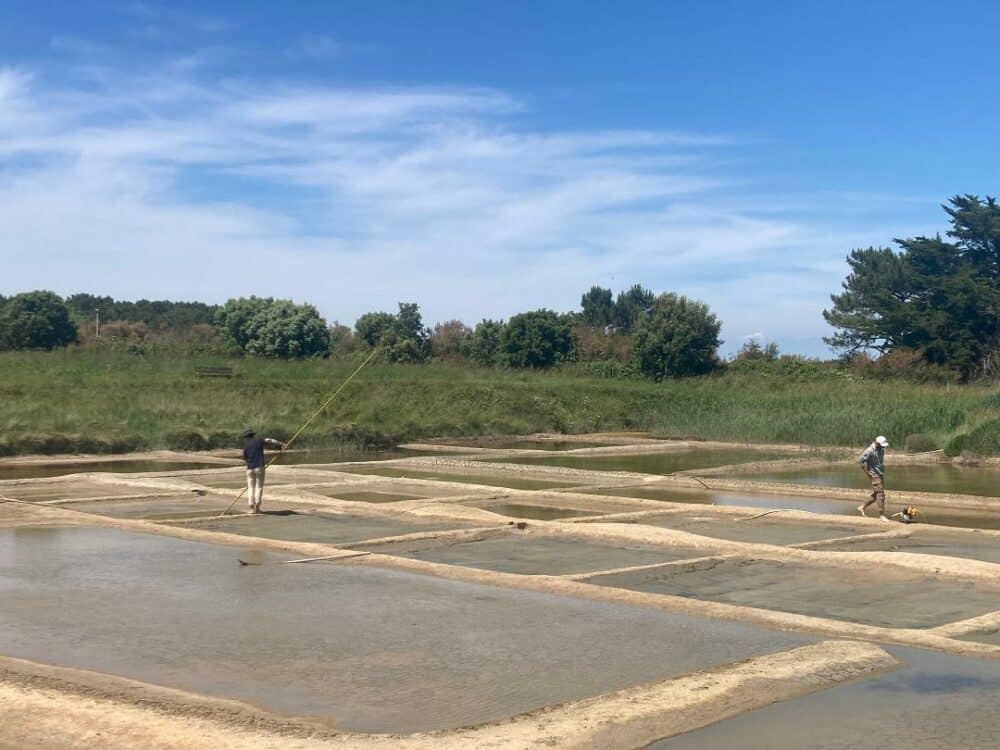
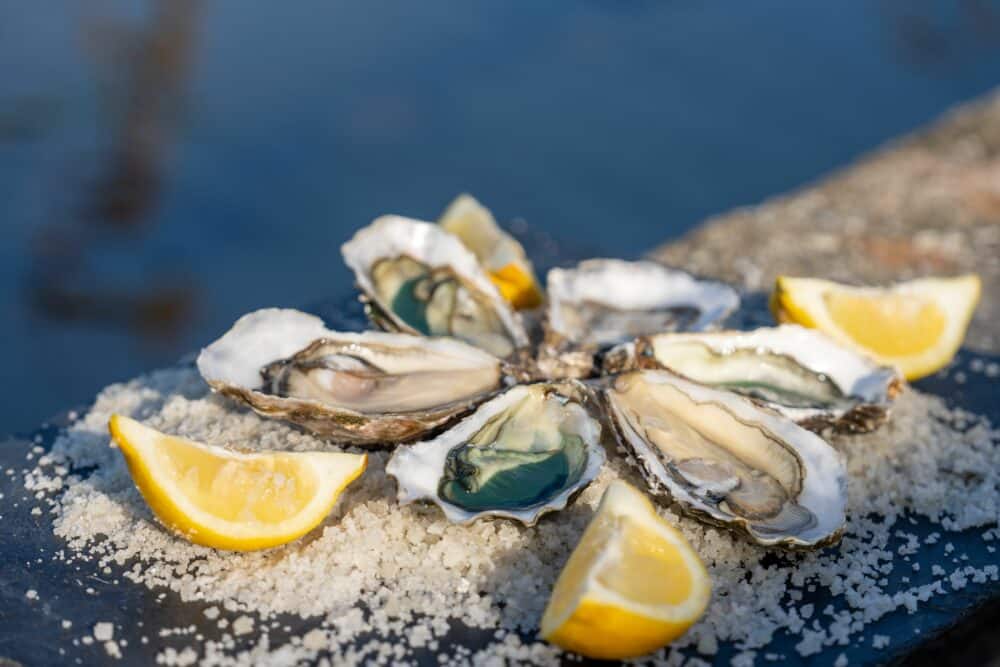
On the site, the Relais des Salines offers a taste of Oléron’s cuisine. Housed in a hut in the middle of the salt flats, this “hidden gem” of a restaurant, full of charm and awarded a Bib Gourmand by the Michelin Guide (for restaurants offering the best value for money), specializes in hot oysters with leek fondue. This comes as no surprise, as the Marennes-Oléron oyster is a local institution. Matured in the “claires”—converted salt marshes—it has a less pronounced briny flavor and a green hue due to a microalgae called marennine, from which it derives its pigment.
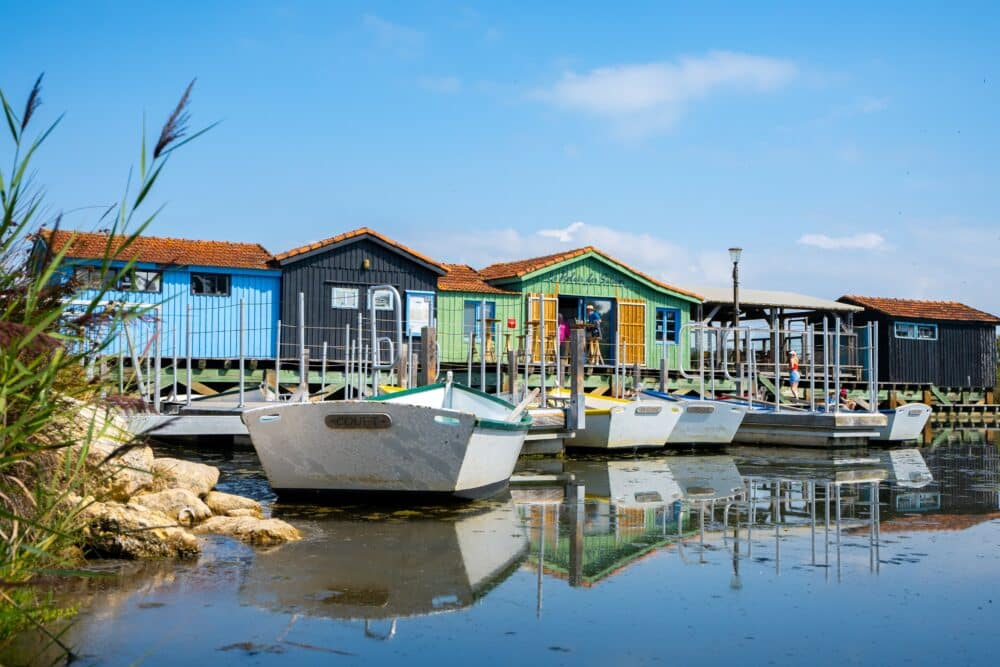
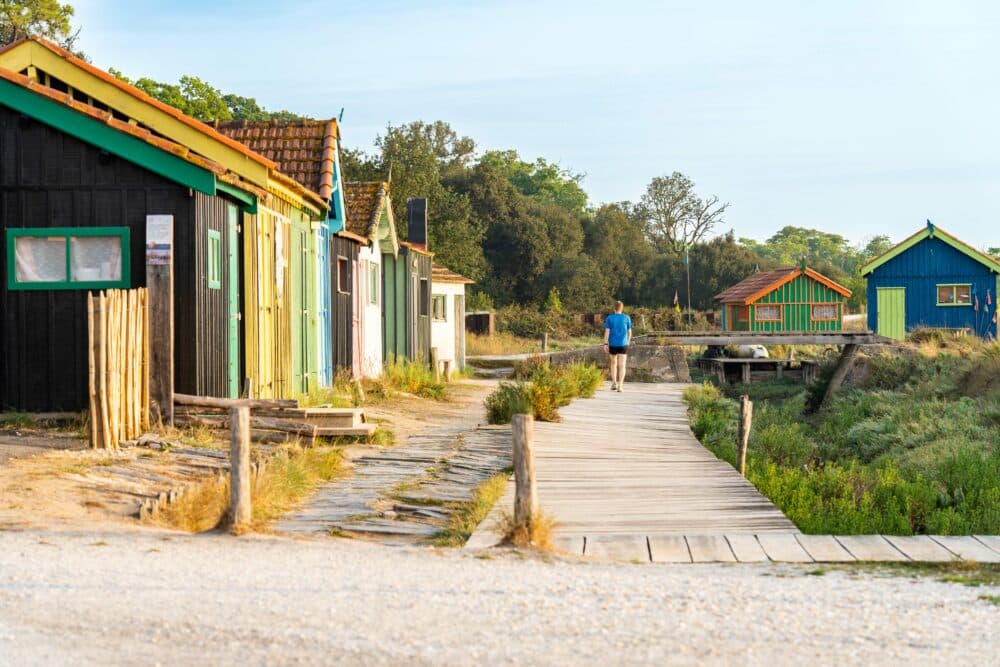
To continue your exploration, a stop at Fort Royer on the eastern side of the island is a must. Preserved for 30 years by a local association, this authentic oyster-farming village—comprising some forty colorful huts—is nestled in the heart of oyster beds that are still in operation. Living symbols of the Oléron coastline, these huts were originally used by women to shuck and sort oysters while sheltered from the elements. Fort Royer offers a journey back in time to meet the “farmers of the sea” through guided tours or storytelling sessions.
FORT BOYARD: A MUST-SEE
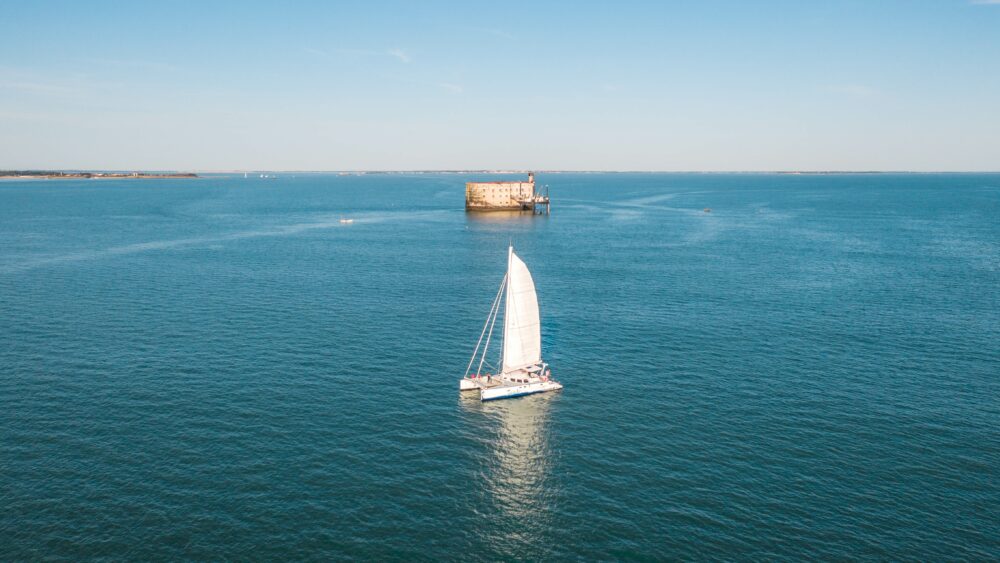
Near Fort Royer, Boyardville offers a panoramic view of Fort Boyard. Built out at sea during Napoleon’s reign, it protected the Rochefort arsenal from the British. It came to be nicknamed “the useless fort” because it became obsolete before it was even finished. The most environmentally friendly way to explore the fort—which is not open to visitors—is to sail around it on the catamaran Ile ou Aile. Its shallow draft allows you to get as close as possible. And if you’re lucky, the skipper will treat you to the catch of the day, served out on the open sea with a traditional glass of Pineau des Charentes!
THE CITADEL OF CHÂTEAU D’OLÉRON: A WORK BY VAUBAN
The town is known for its citadel, built on the orders of Richelieu in 1630 on the eastern side of the island. Marshal Vauban later modernized it by constructing two horn-shaped fortifications, one facing the town and the other facing the marshes. It became one of the key elements of the Atlantic coastline’s defense system. It houses exhibitions and is open to the public.
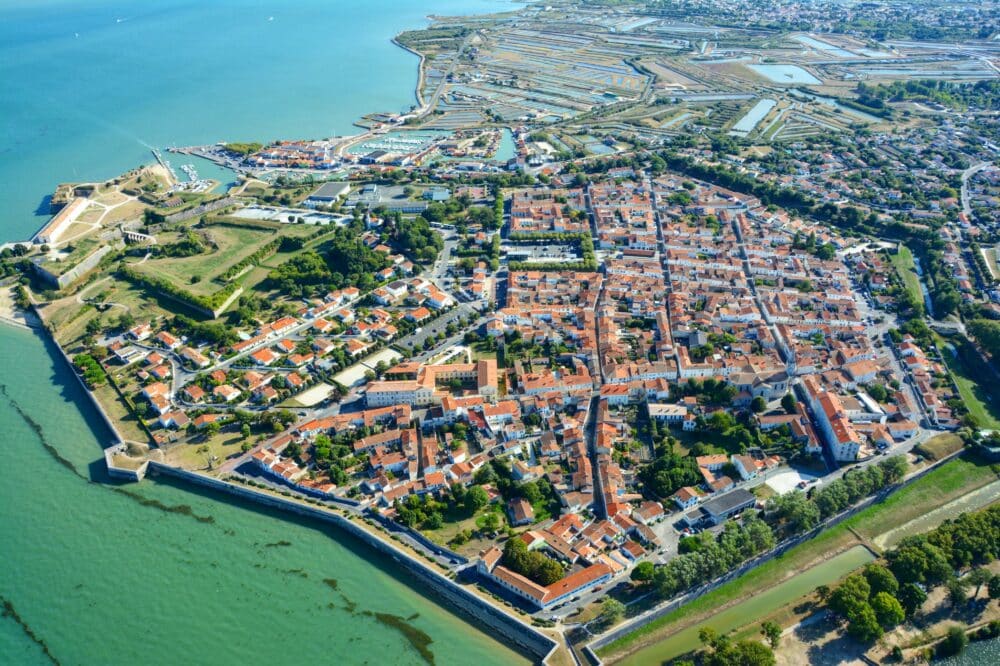
At the foot of the citadel, a stroll through the harbor is a must to meet the artists and artisans who have set up shop in former oyster huts—spaces that brim with creativity while retaining their maritime spirit. And to extend the experience, head to the market—the island’s largest—which is the true beating heart of the region. Here, fishermen and oyster farmers proudly showcase their fresh produce.
AN ISLAND WITH MANY FACES
On the island’s western side, those seeking relaxation will appreciate the vast beaches—including those at Saint-Trojan-les-Bains—lined by forests of pine and holm oak. They offer an exceptional natural setting prized by water sports enthusiasts who come here to ride the waves. The sheltered beaches in the east are more family-friendly and ideal for swimming and shore fishing.
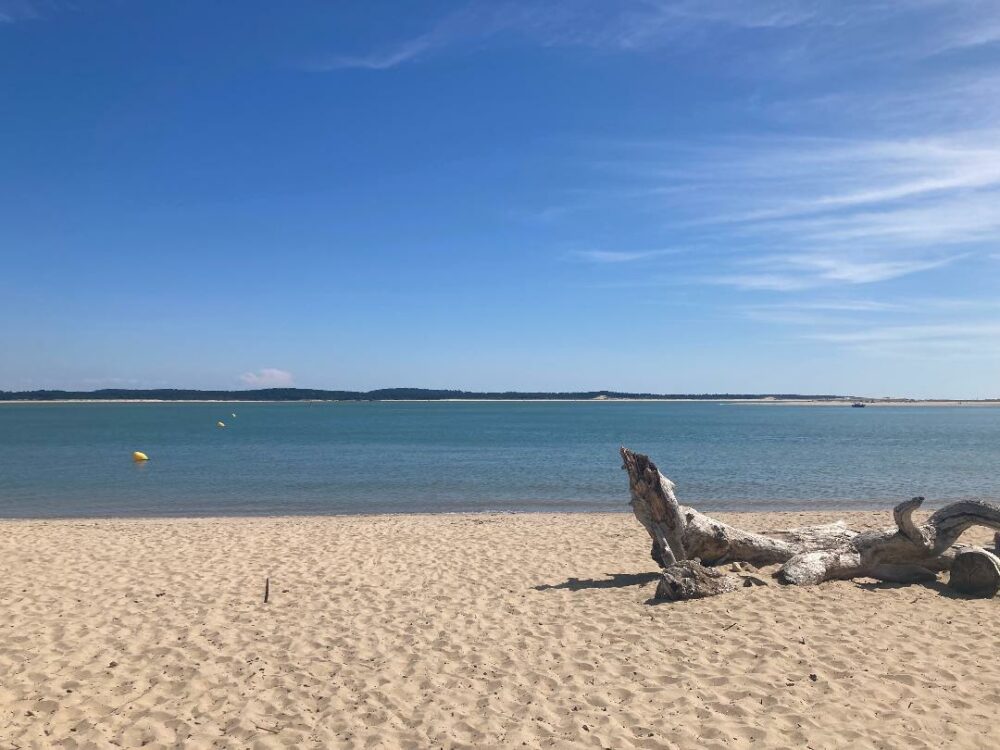
To preserve the island’s harmony and promote sustainable tourism, 160 km of bike paths allow visitors to explore the island by bike—whether traditional or electric (which can be easily rented on the island). A 2.5-hour loop around Saint-Trojan-les-Bains takes you to Petite Plage, Gatseau Beach, or Grande Plage.
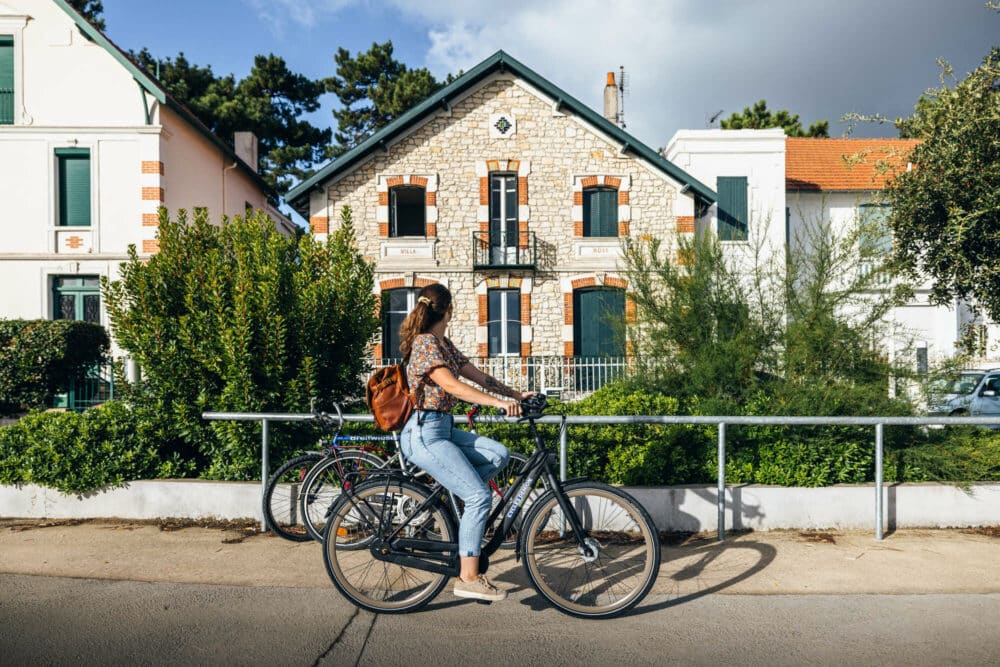
It’s a chance to make some wonderful discoveries, including the “Belle Époque” villas from the early 20th century, luxurious reminders of the early days of sea bathing. Or, by venturing a little further near Dolus d’Oléron, you can admire the island’s most beautiful sunset from the rooftop of the Hôtel & Spa Le Grand Large*****. It’s even said that on some evenings, deer come to the beach to rest and complete the picture.
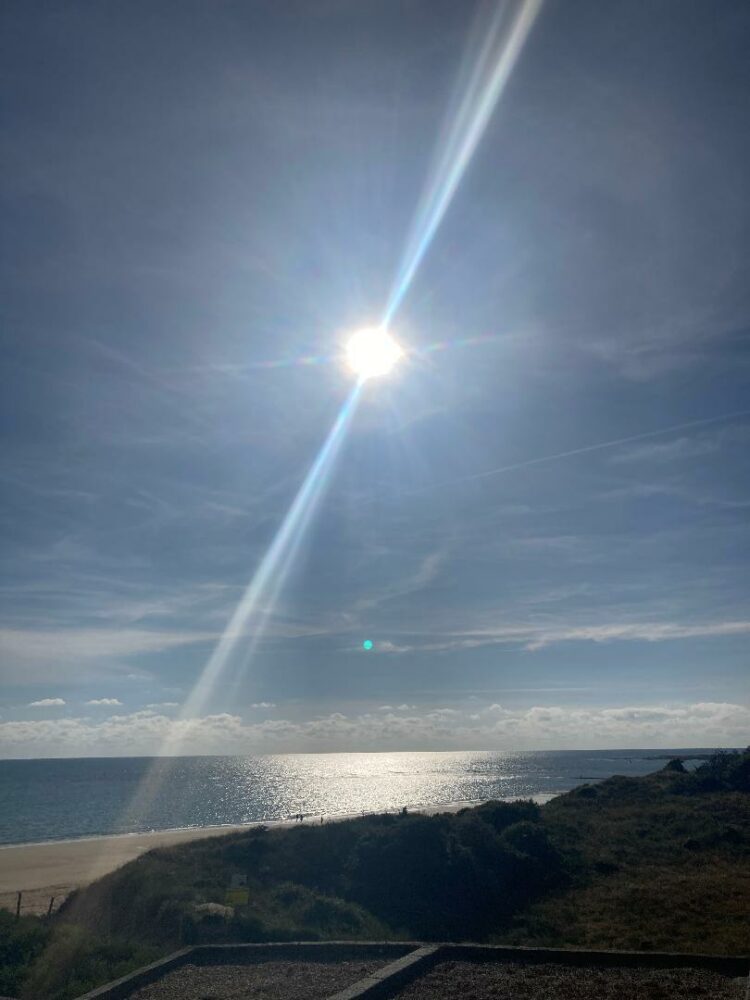
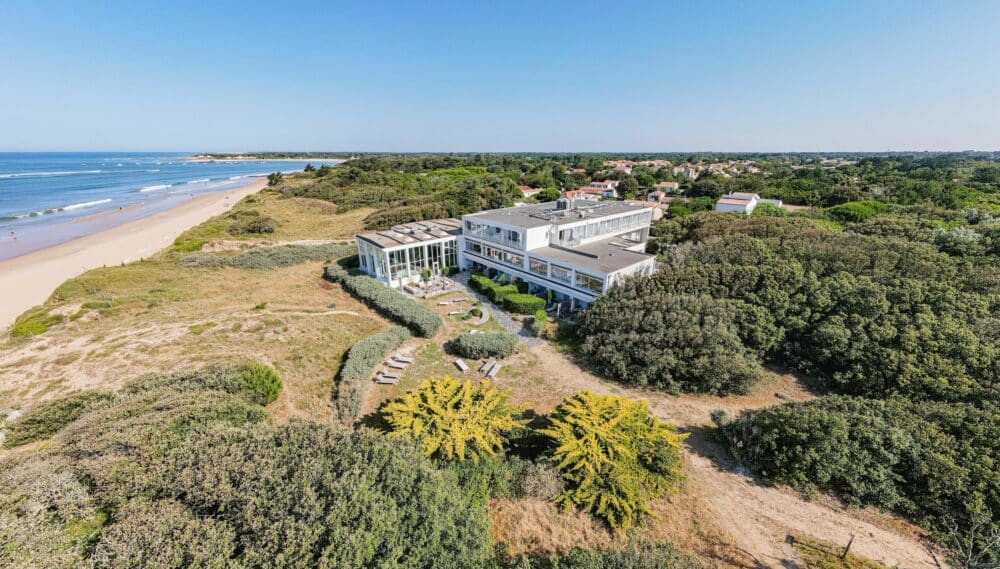
Designed in 1965 in a style inspired by Le Corbusier and fully renovated in 2023, this elegant boutique hotel is nestled in the heart of the dunes of Rémigeasse Bay. It features 31 rooms and suites with understated, modern decor, some of which include a private jacuzzi on the terrace with spectacular ocean views. The gourmet restaurant, La Table du Grand Large, offers a refined culinary experience. Chef David Boyer, a Meilleur Ouvrier de France, blends bold innovation with tradition to bring out the best in local ingredients. The spa features an indoor pool, sauna, steam room, and massage room for a wellness retreat.
THE NORTH: UNSPOILED NATURE
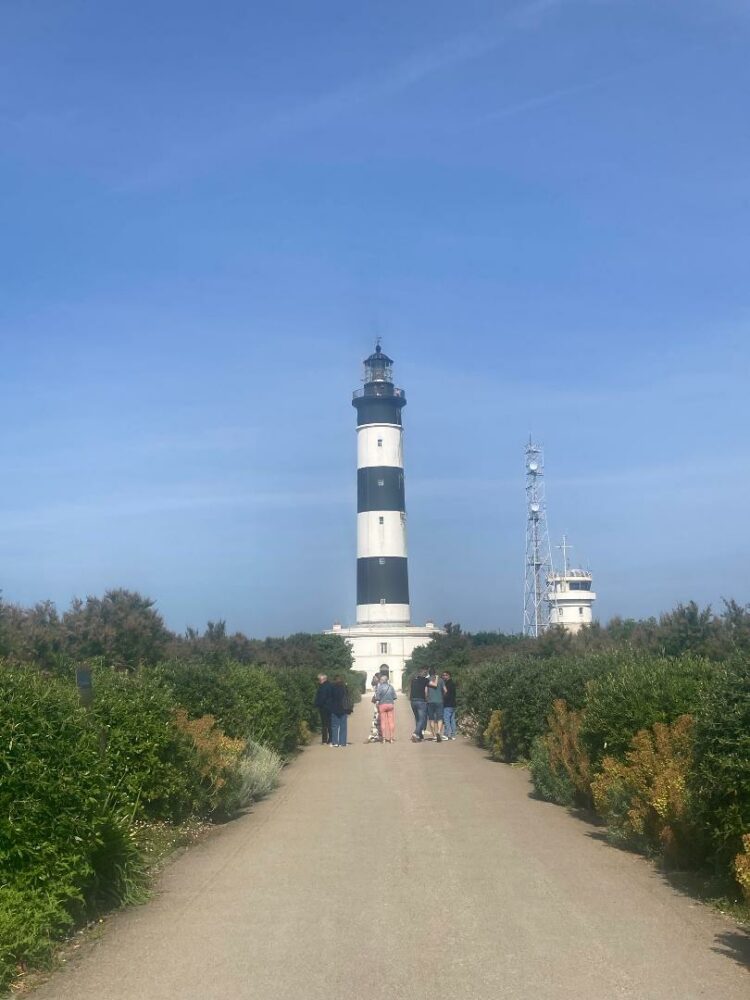
At the northern tip of the island, the Chassiron Lighthouse offers a breathtaking panoramic view once you’ve climbed its 224 steps. Commissioned in 1836, it replaced the first lighthouse built in 1685 on Colbert’s orders to safeguard the growing maritime traffic of the 17th century and the entrance to the Pertuis d’Antioche, a channel of reefs that had caused numerous shipwrecks. To prevent sailors from confusing it with the Baleines Lighthouse on the Île de Ré, black stripes were added to it in 1926. On the first floor, a museum showcases the lives of the lighthouse keepers of that era, the evolution of signaling techniques, and recounts the various shipwrecks. It is surrounded by a garden shaped like a compass rose—designated a “Remarkable Garden.”
LAST STOP: FORT LOUVOIS
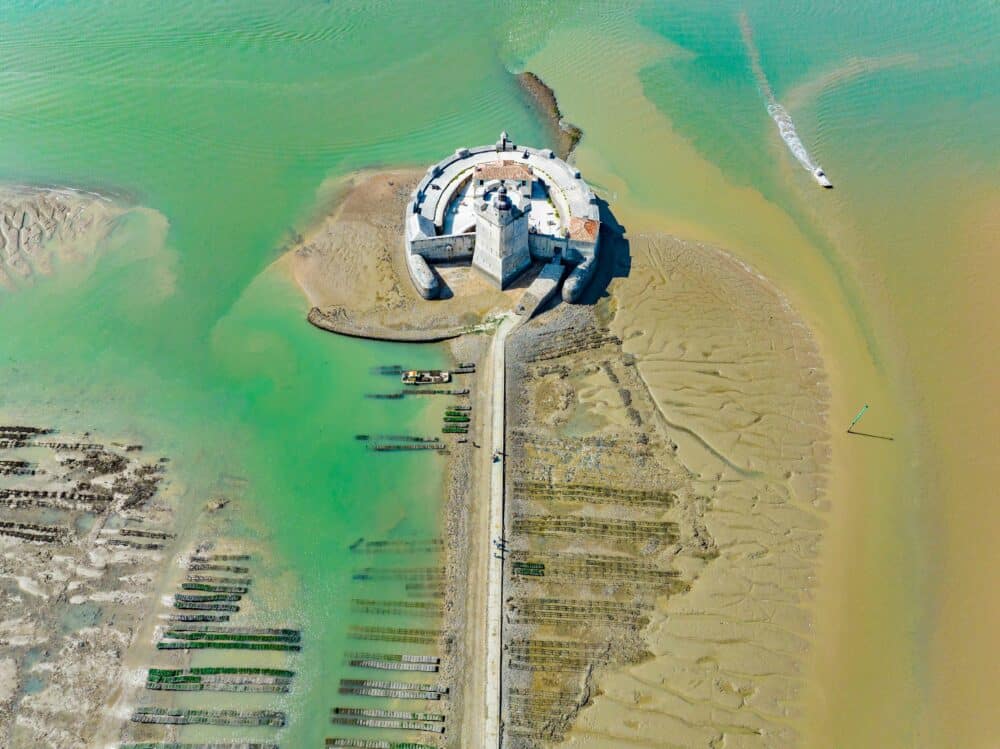
A final stop is a must at Fort Louvois. Located at the foot of the island bridge on the mainland side, it is accessible—depending on the tides—on foot or by boat. The last maritime structure commissioned by Louis XIV from Vauban, it is horseshoe-shaped and was intended to protect the harbor and the royal arsenal of Rochefort. It is, they say, Fort Boyard’s little brother.
As you leave the island to “return to France”—as the people of Oléron like to say with a touch of mischief—you take with you precious memories of simple pleasures experienced in close harmony with nature. Oléron is a wonderful discovery whether you’re a history buff, a cycling enthusiast, a seafood lover, or simply looking to unwind.
Isabelle Bourdet
More info: Oléron-Marennes Tourist Office
Rent a bike: Cycles Demion
Dining – Numerous restaurants invite you to savor fish, seafood, and island specialties. In Château d’Oléron – Au grè du vin on the market square. In Saint-Trojan-les-Bains – “A l’Albatros” for dinner right by the water In Boyardville – At the hotel-restaurant “Les Bains”
FAQ
1. Why visit Île d’Oléron?
For its unspoiled natural setting, its beaches, and its authentic atmosphere.
2. What are the must-see attractions on the island?
Fort Boyard and the citadel of Château-d’Oléron.
3. What’s the easiest way to explore the island?
By bike, thanks to 160 km of bike paths.
🔵 Pour ne manquer aucune news sur InfoTravel, abonnez-vous sur Google Actualités. Et si vous nous adorez, on a une newsletter une fois par semaine.