

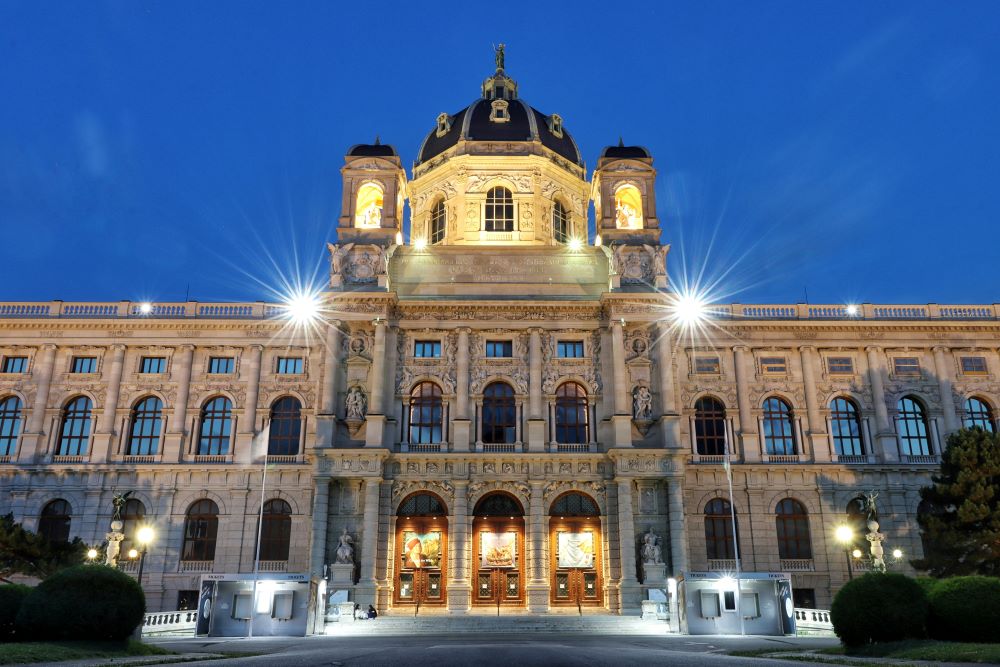
Vienna and its Secession movement experienced an artistic golden age in 1900. The city still preserves the memory of that era to this day.
Architecture and museums, in particular, bear numerous traces of this era. One such example is the MAK, the Museum of Applied Arts, which for the past few months has been showcasing its masterpieces in a new exhibition design.
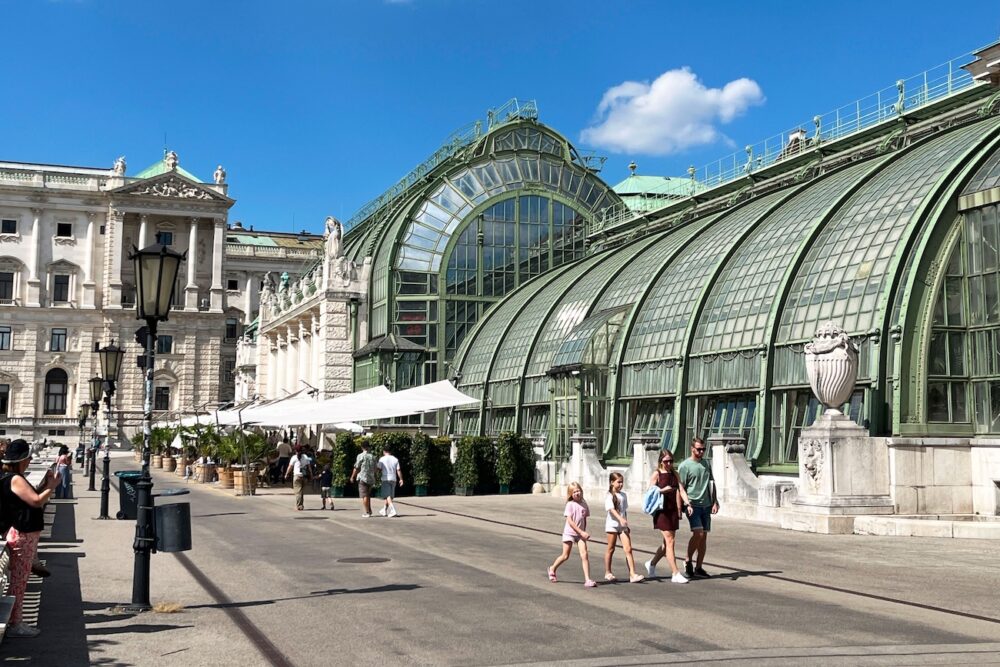
Vienna in 1900: Between Drama and Light
Vienna in 1900 was a bustling, almost frenzied city, one that some had even predicted would supplant Paris as the cultural capital. A hub of journalism, fashion, and revelry, it was also dark and troubled, a victim of its own excesses. The number of deaths and suicides there was at record levels, due to cholera and the stock market crash of 1873.
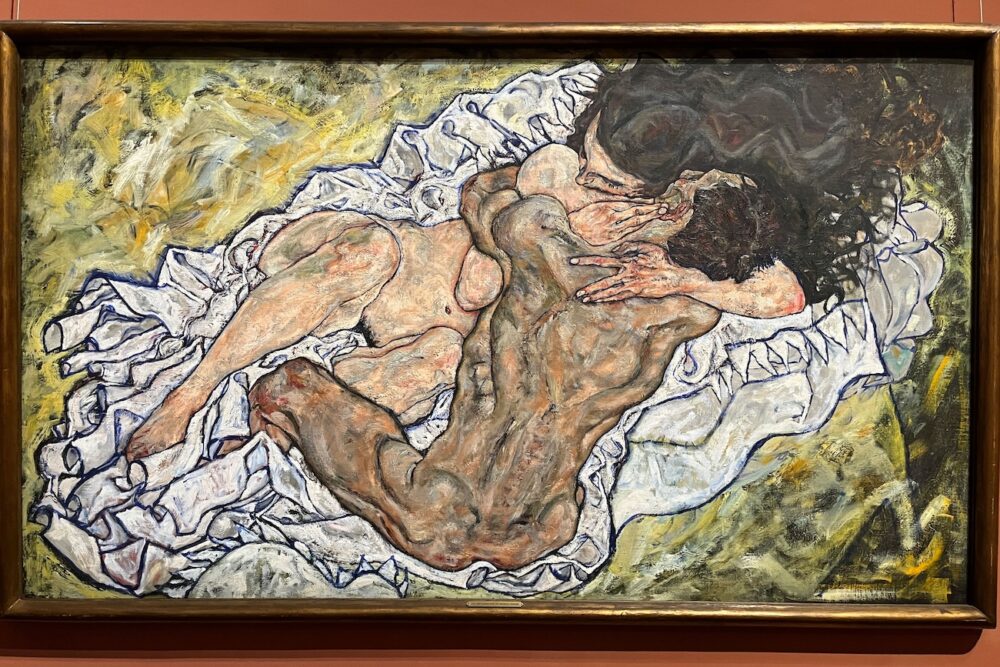
Artists would express this atmosphere of lightheartedness and drama, of splendor and crisis. Their works were at times luminous, at other times terribly anguished and unsettling. In 1897, a group of artists founded the Secession. Gustav Klimt served as its president. Without completely rejecting the past, these “revolutionaries” turned their backs on the Academy without abandoning refinement and beauty. They would allow the arts and crafts to flourish to their fullest potential.
The MAK: All Beautiful, All New!
Having completely revamped the presentation of its 1900 collection in February 2026, this museum of applied arts now devotes three major sections to Jugendstil, or Viennese Art Nouveau. By opting for a minimalist approach, it varies the atmospheres to keep visitors engaged. The tour, set in a darkened space, thus moves from logos to postcards, from lace to glassware, and from furniture to engravings.
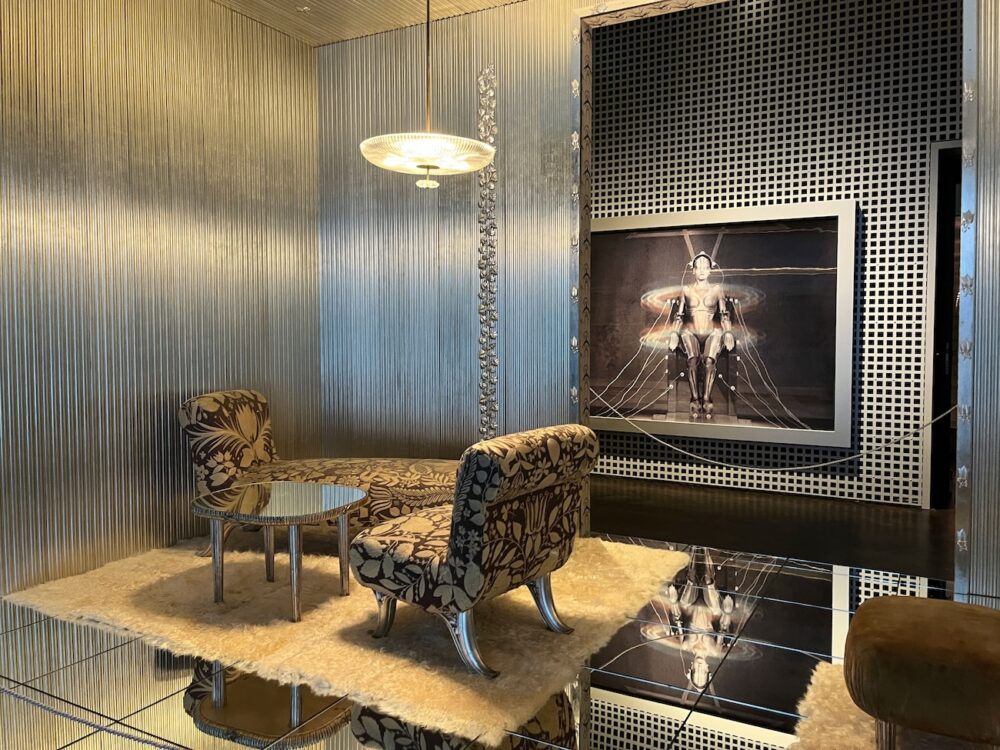
Here are Klimt’s drawings for the monumental frieze at the Stoclet Palace in Brussels. There, the bedroom of Adolf Loos’s wife, designed by Hoffmann. Elsewhere, cabinets and display cases filled with fabrics, vases, chandeliers, silverware, jewelry, and locks… The exhibition is masterful.
Architecture in Vienna, 1900
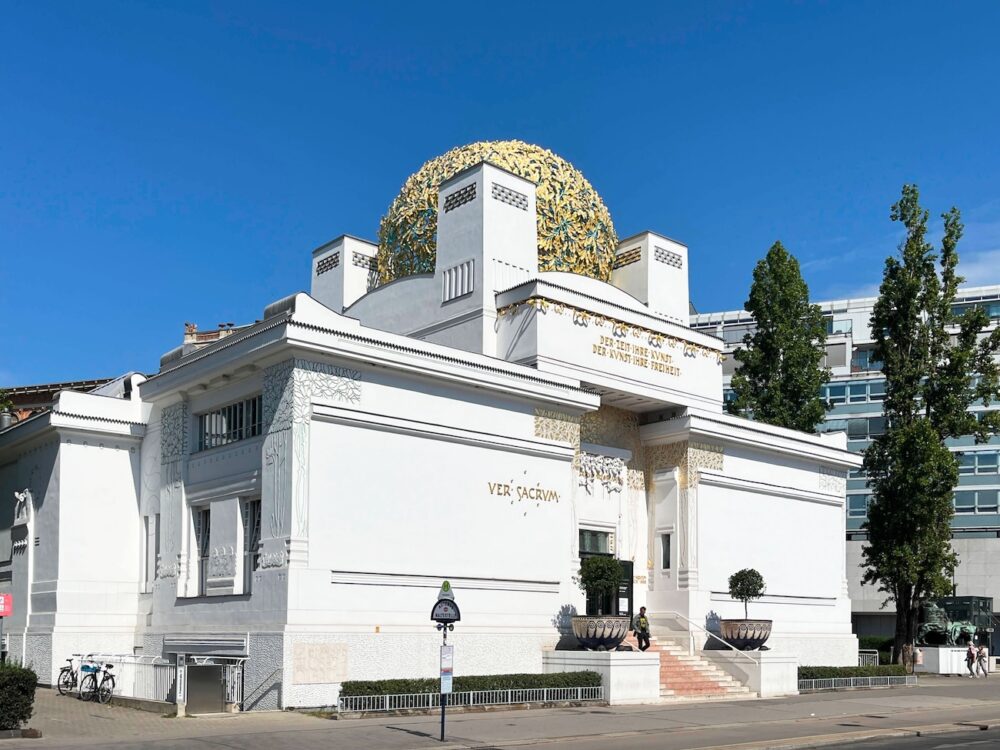
An architectural tour—which can be followed on the Vienna Tourist Board’s Ivie app—allows everyone to discover the city’s major architectural achievements in 1900. The most iconic building is undoubtedly the Secession Building, with its dome covered in gold leaf, designed by Joseph Maria Olbrich. In this pavilion, the famous artists’ association exhibited its works, including those by Klimt, who left behind a beautiful, unfinished piece: the Beethoven fresco.
Otto Wagner’s Postal Bank exemplifies another trend within the movement, one aimed at simplification and a departure from ornamentation. In the same vein, visitors can also explore the Beer Villa, built by Yusef Franck in 1930. Now restored, it has reopened to the public, showcasing its pure, white forms set against a backdrop of striking floral tapestries.
The Must-See Belvedere
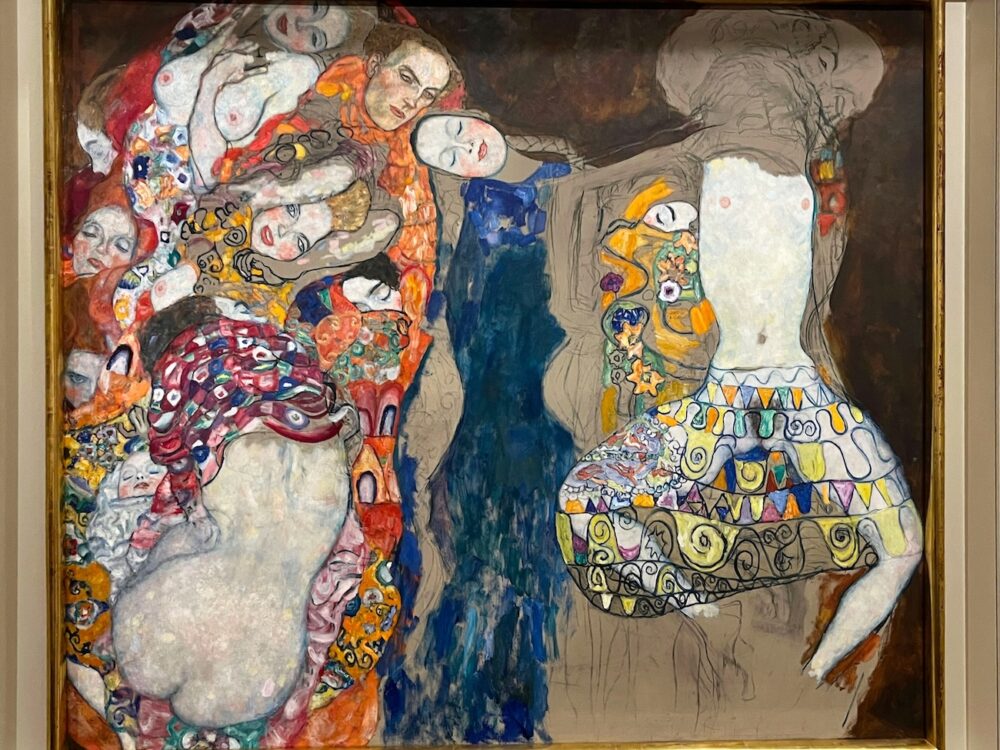
The most popular of them all, the Belvedere Museum (especially its upper section) displays Gustav Klimt’s most famous paintings in a pleasant, airy setting. It’s a delight to see *The Kiss* there, which draws young couples from all over the world… Also worth seeing are *The Bride*, *Adam and Eve*, *Judith*, and the artist’s marvelous landscapes. Less well-known, executed in the Pointillist style, and square in format, they are nonetheless highly innovative. All these masterpieces are among the countless other modern works that one can admire endlessly.
The Leopold Museum, a Temple to the Secession
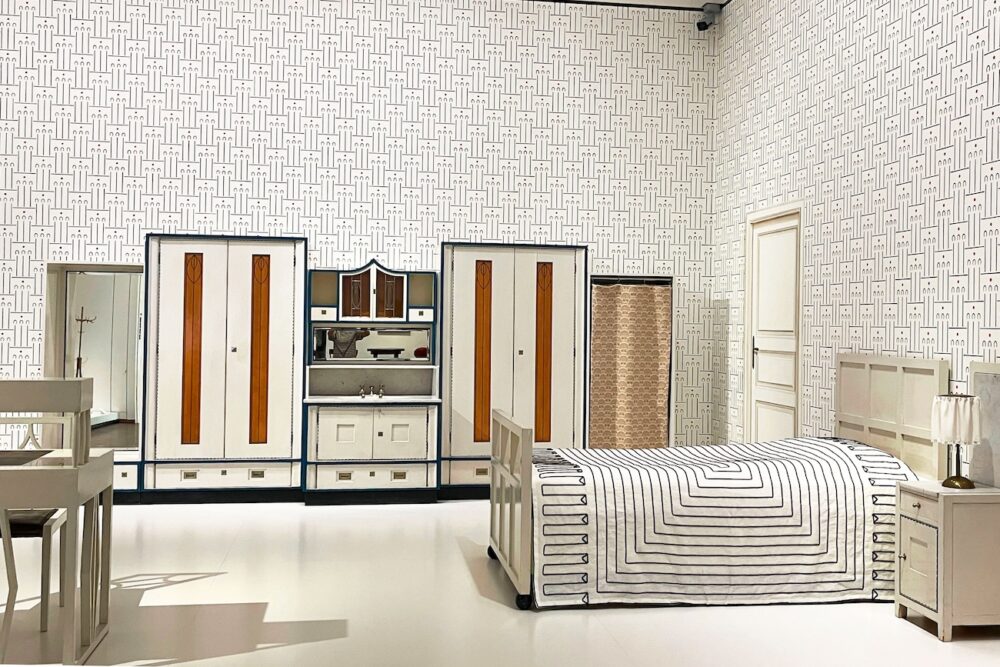
Vast and comprehensive, it offers a complete understanding of this fascinating artistic revolution, devoting three floors to Vienna in 1900 and the Secession. Visitors can admire, in particular, stunning reconstructions of interiors by the architects and interior designers of the time: Olbrich, Hoffmann, and Adolf Loos. And above all, Koloman Moser, the founder of the Wiener Werkstätte (the “Vienna Workshops”), who, with boundless imagination, spent his entire life creating designs for furniture, fabrics, stained-glass windows, and posters.
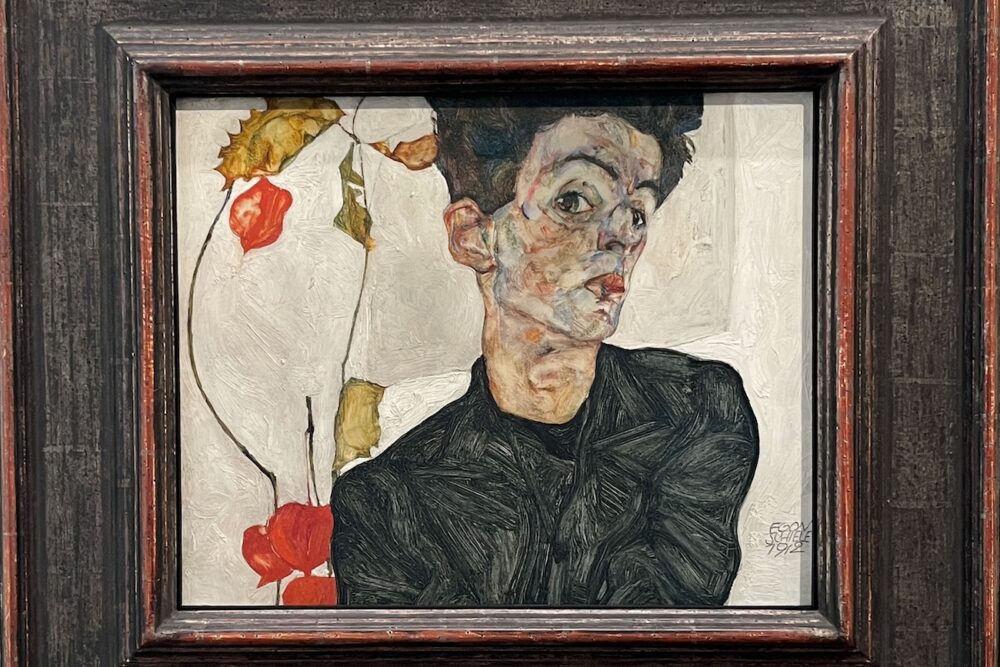
Another highlight of the Leopold Museum is its collection of paintings by Egon Schiele—the largest in the world. Haunted by love and death, the works of this tormented yet beloved student of Klimt possess great expressive power. Finally, the Leopold Museum showcases paintings by Gustav Klimt (including his early, already remarkable works), Oskar Kokoschka, and lesser-known artists such as Richard Gerstl and Carl Moll.
Practical Guide
Get More Information
Austrian National Tourist Office
austria.info/fr/
Vienna Tourist Board wien.info/fr/
Getting There
Flights from Paris to Vienna with Austrian Airlines: 2 hours
https://www.austrian.com/fr/fr/homepage
Where to Stay
The Companion Vienna
4-star boutique hotel, very central. Beautiful decor.
companion-hotels.com/
Things to See
The MAK:
www.mak.at/
Villa Beer
www.villabeer.com/home
The Belvedere Museum
www.belvedere.at/en
The Leopold Museum
www.leopoldmuseum.org/en
Enjoy a treat at a café (a Viennese institution)
Café Prückel
A blend of early 1900s and 1950s styles. Enjoy a pleasant lunch there with a Wiener Schnitzel (breaded veal cutlet) or a Tafelspitz (Viennese beef stew)
prueckel.at/en/cafe-prueckel/
Café Goldegg
Typical early 1900s decor. A good and varied menu. Enjoy lunch just a stone’s throw from the Belvedere (closes at 8 p.m.)
cafegoldegg.at
Café Sacher
One of the most famous cafés, with its red-and-gold candy-box decor. Enjoy the famous Sachertorte here—a chocolate cake filled with apricot jam.
sacher.com/en
Café Diglas
A must-visit, it was founded in 1923. On the menu: the classic dishes already mentioned, as well as goulash, sausages, and delicious pastries.
https://wollzeile.diglas.at/
🔵 Pour ne manquer aucune news sur InfoTravel, abonnez-vous sur Google Actualités. Et si vous nous adorez, on a une newsletter une fois par semaine.