


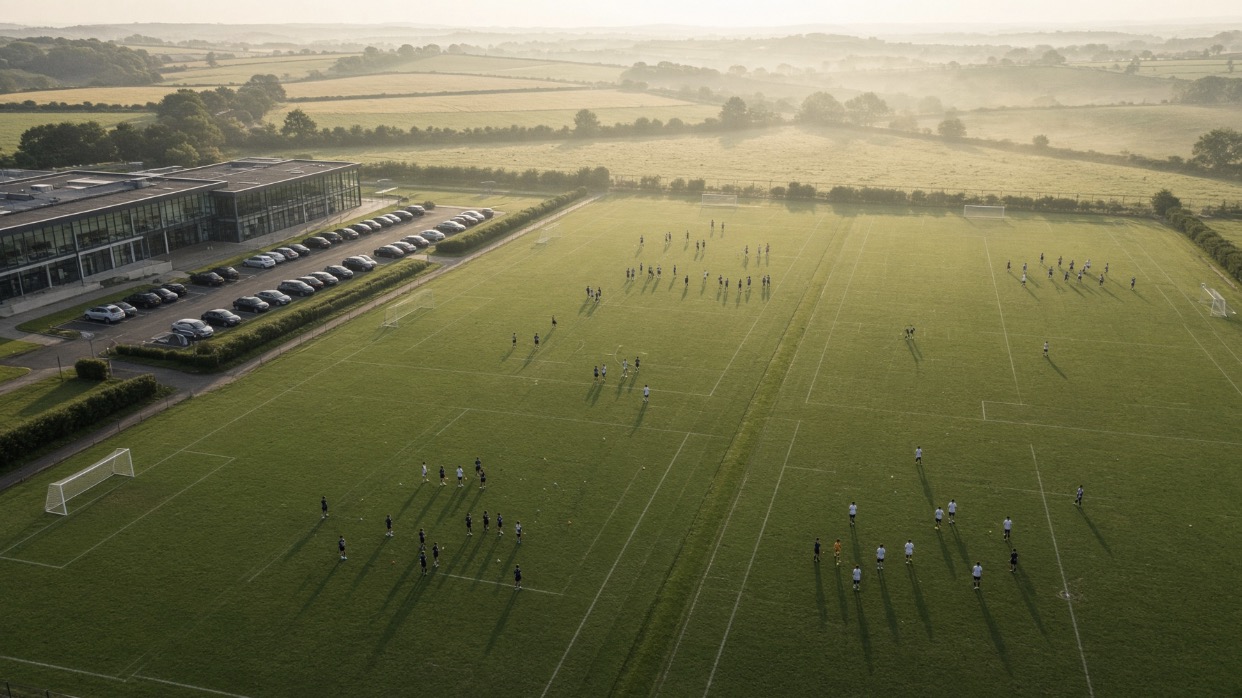
Learn how football clubs build sustainable youth academies through clear philosophy, quality coaching, education, and long-term planning.
How Football Clubs Build Sustainable Youth Development Systems
Every football club wants to produce players from their academy who understand the culture and values of the club. This takes a long term strategy, with a relentless commitment to the development of the players, rather than the short-term gain of player sales and transfers. Structured and successful academies operate with a clear principle, have reasonable goals and measure the results from their academy regularly. Read on to discover key elements of sustainable academies and how to implement them in your own academy.
A Clear Club Philosophy is Essential
Sustainable academies are founded on a philosophy of play that all coaches, from under-9’s to first team players, embrace. The fans who track developing stars can be found on a betting site (Farsi: سایت شرطبندی) where they will check out the odds and the player market prior to the weekend games kicking off. The player markets become more interesting when academy players get playing time because the fans have been watching them grow up over the years.
Club written policies become especially critical to the project when there is turnover in the club’s board and managerial positions. The policies are meant to be consistent and protective of the project. Ajax and Barcelona are examples of clubs with written policies and structures protective of their youth development systems. Continuity of staff roles and responsibilities helps young players adjust quickly to the first team without requiring additional training on the basics of the role.
Build a Pathway That Players Can Actually Climb
A pathway is constructed of goals, competition and the next step for every player in each age group. Clear pathways lead to the development of better players. Many supporters of local clubs now prefer to download betting site (Farsi: دانلود سایت شرط بندی) software with live odds. As such, more fans of local academies are placing bets on the outcomes of youth matches, particularly the pre-match odds for scorers and assist leaders. Clubs respond to this interest by providing young players with real match time in reserve, cup and senior matches.
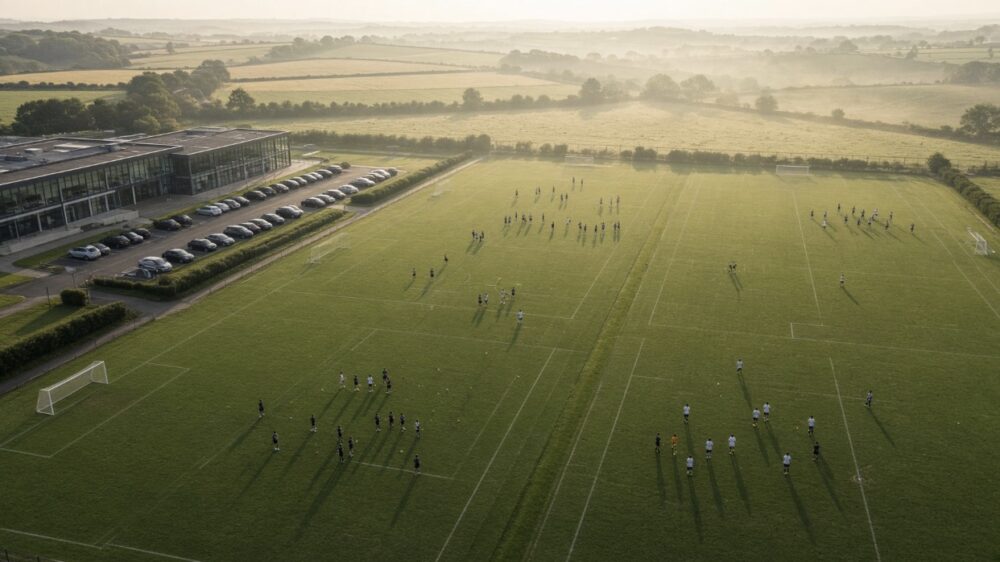
Pathways should also include competitive loans for players between 18 and 21, and improvement and reduction bridges such as under-21 and under-19 teams in step two and step three leagues. These steps should also be dynamic, and staff should be able to change training, competition and position loads for individual players. Regular communication with families helps clubs balance the desires of families with the goals of the club.
Invest in Coaches, Staff, and Facilities
Staff recruiting is the first task for academy staff, and it requires clear definitions for catchment areas and selection criteria. Scouting looks beyond today’s performance and assesses behavior, learning potential and physical coordination. Local players are generally prioritized because families can continue to reside together. In many clubs, continuous assessment is the preferred method for selection.
Recruiting too early creates pressure and enables critics to assess the young players. While players peak at different rates, most players either bloom or bust before their 16th birthdays. The general principle is that you should not recruit at levels that you cannot supply. Supply and demand must be balanced.
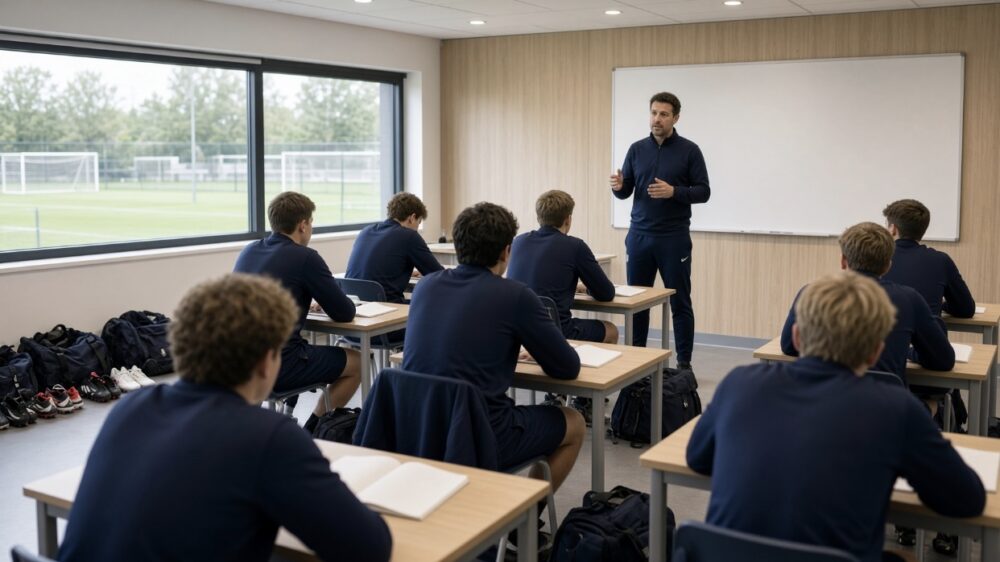
Well-designed facilities and the latest equipment are only part of the infrastructure required to produce top athletes. Strong, experienced staff are equally important. The knowledge of staff coaches about child development helps them plan sessions to match players’ physical and emotional maturity and their learning speed. Sports scientists, analysts, physiotherapists, and education staff add to the support staff. The combination of these staff helps to instill in players the concept of continuous improvement. The list below shows four areas that well-run clubs concentrate their academy resources.
- Qualified Coaching: Licensed coaches instill the technical skills and good habits to players of the right age.
Medical Support: Screening and physiotherapy help manage the risk of injury associated with growth.
Education: The integration of schooling with football prepares the players for life after the game.
Data and Analysis: Video and performance data support fair and evidence-based development.
Neglecting one of these areas results in an imbalance and weakness in the overall system. Clubs in England that are members of the Elite Player Performance Plan (EPPP) agree to be monitored and audited for their academy facilities, coaching and education. Similar licensing and auditing systems are available in other countries. However, their standards vary. These frameworks provide clubs with a target to improve year on year.
Develop in Balance with Education and Wellbeing
Most players will not become professionals. As such, clubs must address the needs of the total child and consider schooling, mentoring and training in various practical disciplines that foster personal development, encourage confidence and self-discipline, and build lasting life skills. The protection of children and young people is paramount, as unscrupulous individuals may be seeking opportunities to exploit young people within football. Strong child protection policies, trained Welfare Officers, and clear channels of communication ensure children are protected and cared for in a safe and secure environment.
Young people can also be trained in injury prevention and management. The balance between training and recovery is especially pertinent for adolescents to help protect them from unnecessary risk. While the development of some young players may lag, flexibility with grouping should allow players to engage in activities that are most enjoyable and challenging.
Future long-term projects in the academy also rely on working with parents, who are extremely valuable long-term partners. The academy should be a resource for parents and educators. Strong relationships with parents and teachers should help the club address the balance that best meets the needs of the child. This can be accomplished through a number of initiatives designed to engage the communities that support the young people in the club’s catchment areas. Including coaching clinics for the community, and partnerships with community and grassroots teams.
Judge Success Beyond First-Team Debuts
Sustainable systems measure success in multiple ways. The number of players promoted to the first team is just one of those ways. Others include the rate players progress to first team readiness, the rate players are retained, sell-on fees, international call ups, and the number of players who go on to build professional careers elsewhere. Some clubs gather information from player and family surveys to identify issues early. The result of youth development work often takes 5-10 years to become apparent.
Data and video analysis are changing how academy coaches and managers make decisions. Tracking technology can help coaches measure player workloads and track player movements that coaches might miss. Numbers should help support judgement, particularly when assessing character, and physical and mental resilience. When reliable data is combined with coaching judgement, clubs usually make fairer and more consistent decisions.
The final element is financial planning. Academies are long-term investments with costs early and benefits later. Southampton and Benfica are clubs who have made good transfer income with academy players, and also strengthened their squads. Trusting the transfer market is a risk, and so the focus should remain producing players for the first team. Patience and security are the most vital factors when protecting the academy during tough times.
Patience. Today, Local Heroes Tomorrow.
A clear philosophy, directed pathway, and quality people are the key ingredients to developing youth players and building a culture of sustainability. While no academy can ensure the development of professional superstars, these key ingredients can enhance the odds. Teams that balance their patience with honest measurement of academy progress and protection of academy players strengthen their squad over time. Fans who recognize these principles can help shape a culture that strengthens the foundation for homegrown players to blossom.
🔵 Pour ne manquer aucune news sur InfoTravel, abonnez-vous sur Google Actualités. Et si vous nous adorez, on a une newsletter une fois par semaine.