

How the World Cup Shapes National Identity and Economics
Explore how the World Cup and major international sporting events unite nations, attract new global audiences, stimulate local economies, and build a lasting infrastructure for grassroots sports.
How National Team Tournaments Influence Public Interest In Sport
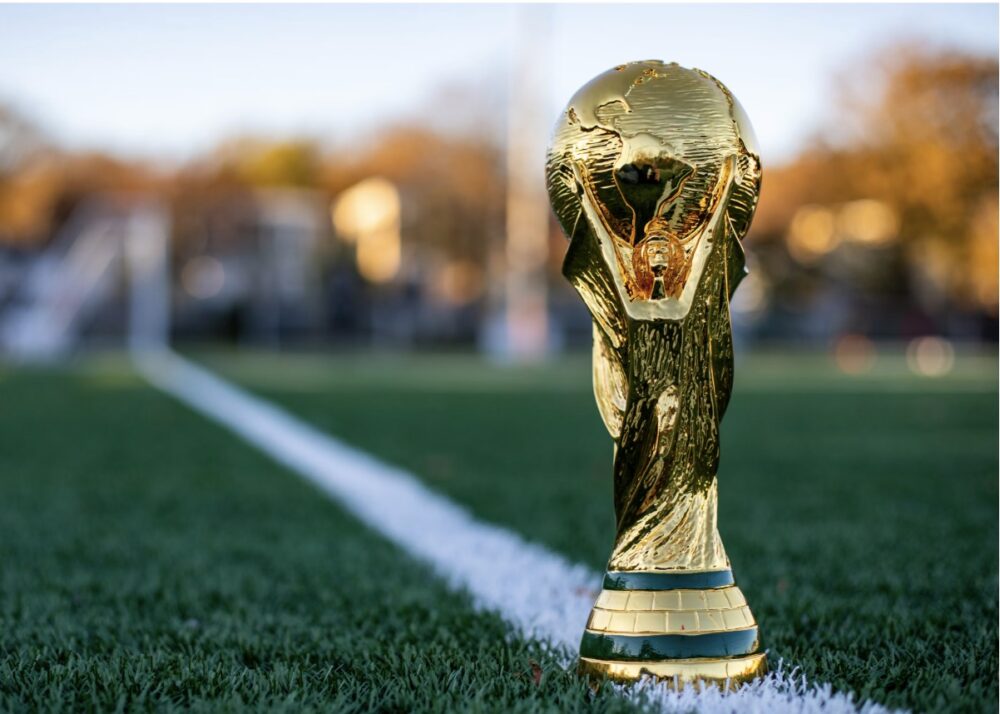
International national team tournaments, the FIFA World Cup and the UEFA European Championship are the highest level of global sporting engagement. These huge events capture a lot of attention because they are more than just sports competitions; they become strong shows of national pride and cultural identity.
Today levels of viewer engagement are higher than before. This rise in viewer engagement is not because of traditional television broadcasting but also because of the exponential growth of digital ecosystems. Digital ecosystems include platforms that support advanced bet (Turkish: bahis) on the internet. These platforms add an analytical layer to how tournaments are consumed. The rapid expansion of ecosystems has fundamentally changed consumer habits. Fans now use ecosystems to deeply examine statistical trends, tactical formations and historical data instead of simply watching passively.
Every country taking part in these competitions uses them as a high-profile way of strengthening its national identity and projecting a positive image across the world. This gives countries the opportunity to showcase their skill, cultural vitality and ingenuity in a way that everyone can understand. It is important to note that a successful performance by the national team helps to unite the people within the country. A successful performance at the competitions creates a special, albeit fleeting, moment when all the country’s inhabitants feel as one. It lets people share moments and for a little while forget about the big differences they have, in politics, money and population groups.
Attracting the peripheral audience. One of the defining sociological characteristics of global sporting mega-events is their ability to attract the peripheral audience. This demographic segment generally pays little attention to domestic league matches, club rivalries and weekly sports news, but takes a keen interest in major international tournaments. During these periods, competitions become cultural phenomena that are virtually impossible to ignore in today’s interconnected information landscape.
The mechanisms responsible for this expansion in audience reach rely on several foundational socio-cultural triggers:
- Social Viewing Experiences: Municipal fan zones, public screenings, and local viewing parties can turn major football matches into shared community events. This mass‑leisure setting pulls in people who want interaction and a sense of belonging, not just a look at the game.
Dominance of the Global Information Space: In tournaments news outlets that normally cover politics, finance and entertainment shift their focus to sports. Media outlets make sure that the tournament shows up in every part of media consumption.
Personalization and the Halo Effect of Athlete Brands: Top national team players quickly become media stars. Their sudden appearance in fashion, lifestyle and social media ads pulls in people who love fashion, pop culture and celebrity stories.
These mechanisms show how national team tournaments shape the public’s interest in sports.
Macroeconomic Multiplier and Technological Integration
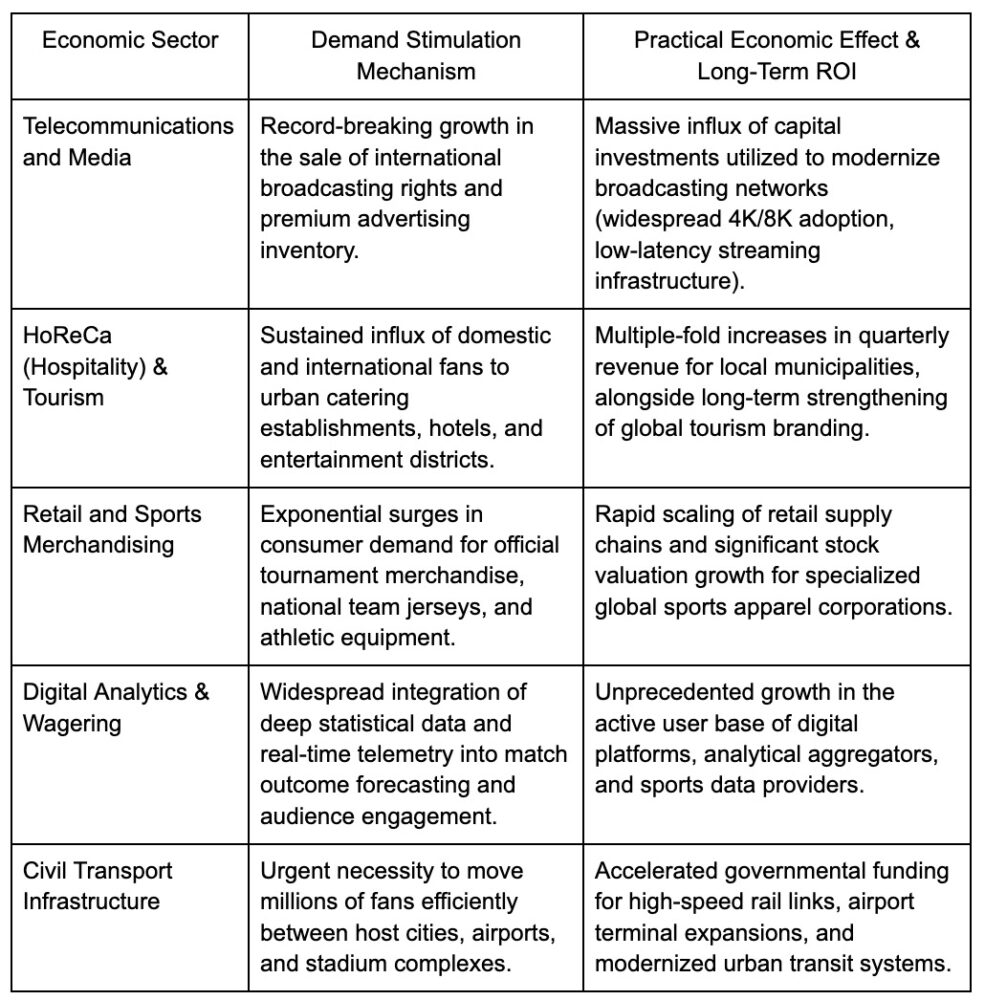
The economic impact from championships is huge. It creates a ripple effect that brings money into many different industries, both at home and abroad. When more people get interested in the events they spend money. This leads to sales, bigger advertising campaigns and faster growth in digital and physical systems.
A full look at how this multiplier effect works shows that it helps areas, at once. It boosts tourism, hospitality, transportation, construction, media and technology. Increased visitor spending can create temporary employment opportunities and additional revenue for local businesses. The scale of these benefits depends on how effectively the host country manages tournament-related investment. It is not about the event itself but how it changes the way people spend, how companies market and how cities and countries build for the future.

The growing reliance on digital technology has entirely reshaped the modern consumption of live events
Today’s viewers expect seamless access to advanced stats, player heat maps and live probability changes. Because of this millions of fans now use screens while watching games. They pair their TV broadcasts with tools that give them deeper insights. For example, international sports entertainment platforms, including the Melbet app (Turkish: Melbet uygulama), provide mobile access to football events, live odds, and betting markets in supported jurisdictions. However, access to information depends on network conditions, and uninterrupted service cannot be guaranteed. These mobile platforms help fans stay connected and involved. They turn a passive viewing habit into an active data-powered experience.
Sports Diplomacy and the Projection of National Identity
While football and club football help build communities, international sporting competitions serve as strong tools for sports diplomacy. These events greatly shape how people see their country’s place in the world and how other nations perceive them. When a national team takes part in a World Cup the national team becomes an ambassador. The way the team plays, its discipline, how it behaves on and off the field and its style of play, reflects the values, traditions and shared hopes of the nation it represents.
Global events have the power to change how the world sees a country in one night. I notice that a successful and lively show by a national team can make a country’s soft power shine bright. This shine brings benefits in diplomacy and business, drawing foreign direct investment, lifting international tourism and sparking global curiosity about a nation’s history and export markets. Even countries that do not have a history, in a sport can use these big broadcast chances to rebrand their global image and show their administrative capability to the world. The social and political strength of these mega-events comes from clear diplomatic and cultural functions:
- Generational Memory Creation. Triumphs and heartbreaks on the international stage create permanent historical markers that bind multiple generations of citizens together through shared emotional trauma or jubilation.
Cultural Exhibitionism. Elements surrounding the matches, ranging from highly choreographed opening ceremonies to the integration of national anthems and traditional fan iconography, serve as globally broadcasted showcases of a nation’s cultural heritage.
Geopolitical Visibility. For emerging or smaller nations, defeating a historical superpower on the pitch offers a symbolic victory that resonates deeply within domestic politics, temporarily elevating the nation’s global geopolitical stature.
Inspirational Role Modeling. Elite national team athletes transition into inspirational figures who embody the highest ideals of their society, motivating younger demographics toward physical excellence, discipline, and upward social mobility.
These are the most important aspects of how tournaments influence interest in sport.

Media Exposure, Commercial Growth And The Globalization of Sports
International competitions are becoming more popular because media companies are growing fast and big sponsorship deals are happening. Television shows, paid streaming services and social media let fans watch games easily no matter where they live. So a game played in one city in Europe or South America can become an event making money in many markets at the same time.
The worldwide reach of competitions creates a very profitable business world. Selling TV rights in one go brings billions to the organizers. Big sponsors let global brands connect with a passionate audience that counts in the billions. The money from a tournament now comes from more than just the 90 minutes of play. It also comes from subscriptions, fancy hospitality deals and smart advertising that uses data.
Crucially the digital media revolution has removed the time delays that used to shape sports consumption. Fans are no longer forced to wait for evening television highlights or for the day’s print journalism to get the crucial information they need. The modern fan receives a 24‑hour flow of tactical analysis, post‑match interviews refereeing controversies and statistical breakdowns. This endless digital cycle keeps interest at a fever pitch, for the entire tournament window.
Sustainable Infrastructure Legacy And Grassroots Development
Beyond the money and short-lived feelings of pride, big national competitions have a deeper longer-lasting effect on a country’s buildings and local sports programs. Experts in society and sports money call this the « demonstration effect. » After a big world championship or a strong exciting performance by the national team all the local sports groups see a big increase in kids joining their training programs. Giving people real modern role models helps speed up the growth of future sports stars.
Also the countries that host these events get a collection of buildings. Even though old events led to unused stadiums today’s competition bids need plans that last. New top-quality stadiums and special training centers are added to the sports system after the event. These top-level places quickly raise business value. Look at local sports. Better safer and more modern places lead to people coming to games more money, from games and give local teams the best tools to develop future pro players.
🔵 Pour ne manquer aucune news sur InfoTravel, abonnez-vous sur Google Actualités. Et si vous nous adorez, on a une newsletter une fois par semaine.